Find out how much flooring you need and what it may cost. Enter your room sizes, pick a waste allowance, add the coverage of one box and your price per square foot, and the calculator shows your total area, the boxes to buy and an estimated cost. It is free and needs no sign-up.
Flooring Calculator
1. Room size details
2. Flooring cost
Estimates are for planning only. Confirm quantities and prices with your supplier or installer before buying.
All results are planning estimates. Confirm quantities and prices with your supplier or installer before you buy.
How the flooring calculator works
- Measure each room. Enter length and width in feet, or type an area if you already know it. Use “Add another room” for more rooms.
- Choose a waste allowance. Pick a layout or type your own percentage.
- Add box coverage. Use the square feet per box printed on the package to get a whole-box count.
- Add prices. Enter your cost per square foot, plus optional underlayment, labor and tax.
Flooring calculation formula
- Room area = length × width
- Flooring to buy = room area × (1 + waste % ÷ 100)
- Boxes needed = flooring to buy ÷ coverage per box, rounded up to a whole box
- Material cost = flooring to buy × price per square foot
Step-by-step example
A living room is 15 feet long and 12 feet wide. You choose a 10% waste allowance, the boxes cover 20 square feet each, and the flooring costs $3 per square foot.
| Step | Calculation | Result |
|---|---|---|
| Room area | 15 × 12 | 180 sq ft |
| Add 10% waste | 180 × 1.10 | 198 sq ft |
| Boxes needed | 198 ÷ 20 = 9.9, rounded up | 10 boxes |
| Material cost (exact area) | 198 × $3 | $594 |
| Material cost (whole boxes) | 10 boxes × 20 sq ft × $3 | $600 |
Stores sell flooring by the full box, so the amount you actually pay is usually based on the whole boxes you buy. That is why the calculator shows $600 for this example.
Flooring waste: why you need extra
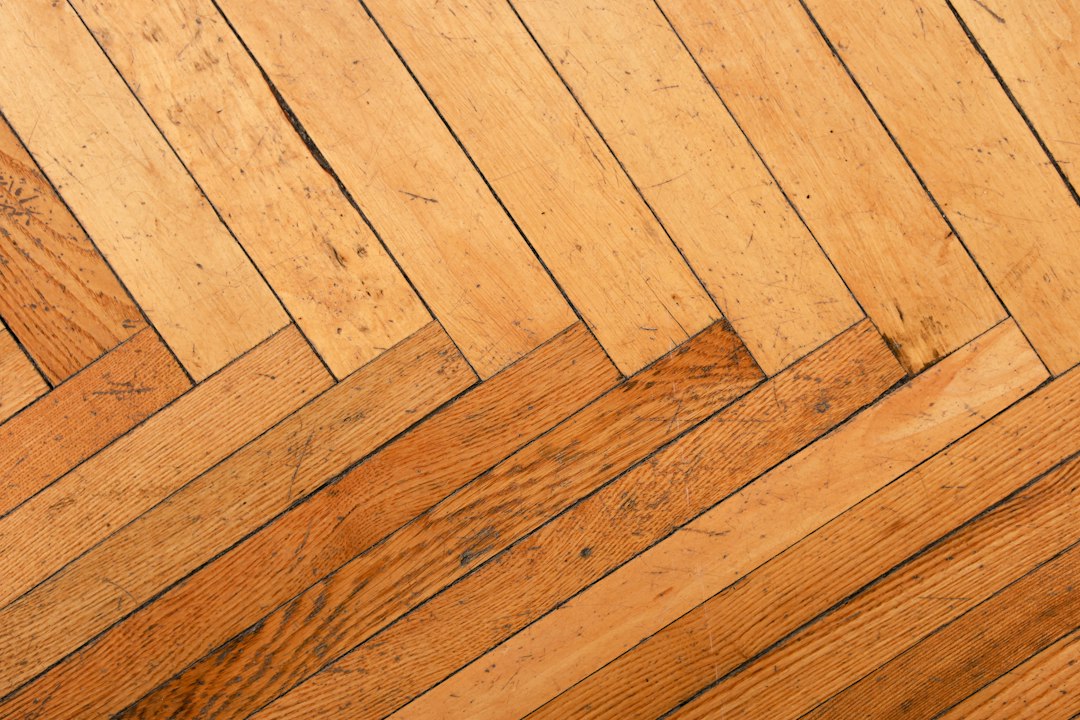
Boards and tiles get cut around walls, doors and corners, and some pieces are damaged or unusable. A common starting point is 5% to 10% extra for a simple room with a straight layout, and more for diagonal, herringbone or heavily cut layouts. Your flooring type, room shape and installer all affect the right number. Read more in our flooring waste calculator guide.
Flooring material costs
Material cost depends on the product you choose and where you buy it. This site does not know current local prices, so enter the price from your store or quote. For a full breakdown of what goes into a flooring budget, see the flooring cost calculator and the installation cost guide.
Types of flooring you can calculate
The calculator works for any flooring sold by the square foot or by the box, including hardwood, engineered wood, laminate, luxury vinyl plank, vinyl sheet and tile. See types of flooring and their uses for the differences.
Frequently asked questions
How much extra flooring should I buy?
Most simple rooms need about 5% to 10% extra. Diagonal layouts, patterns and rooms with many corners often need 10% to 15% or more. Check what your installer recommends.
How do I measure an L-shaped or odd-shaped room?
Split the room into rectangles, find the area of each, and add them together. In the calculator, enter each rectangle as its own room.
Can I use meters instead of feet?
Yes. Switch the unit toggle at the top of the calculator to Metric. It converts your numbers and shows the equivalent square feet.
Is the cost an exact quote?
No. It is an estimate based on the prices you type in. Delivery, subfloor repair, trim and local labor rates can change the final bill.
Does the calculator save my numbers?
Your entries are stored only in your own browser so they are still there if you come back. Nothing is sent to our servers. Use “Clear all” to remove them.
Photos by Bailey Alexander and Alex Cooper on Unsplash.